West Texans feeling effects of another early allergy season
LUBBOCK, Texas (KCBD) - Living in West Texas, allergy triggers are hard to avoid, especially when the spring allergy season starts early.
A recent study from the USDA shows the spring allergy season is starting earlier and lasting longer, than it did three decades ago.
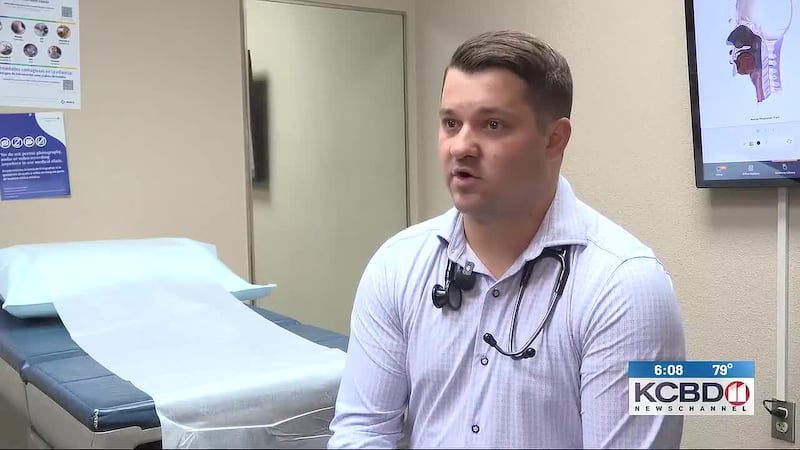
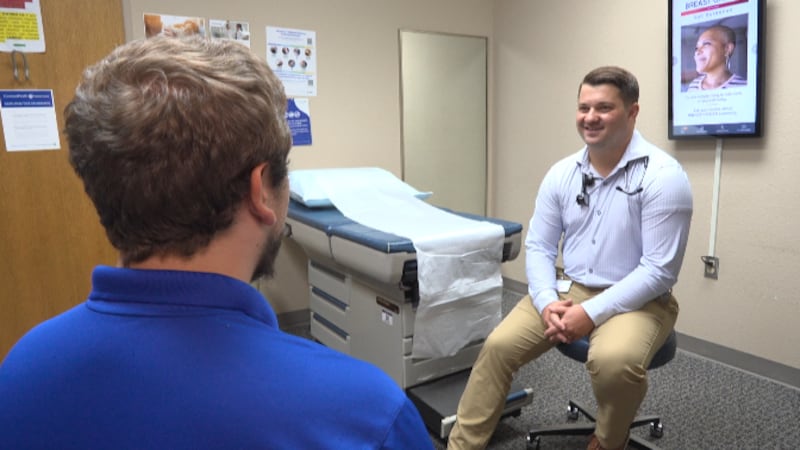
Dr. Goutam Shome, an allergy specialist with Covenant Medical Group, says changes in the weather, dust and pollen are three major triggers on the South Plains.
“Can we avoid it? How can I avoid trees, grass and weeds in West Texas?” he said. “You cannot lock yourself in the basement 24 hours a day, seven days a week.”
The recent study from the USDA shows pollen seasons start 20 days earlier and are 10 days longer than they were in 1990. For West Texas, Dr. Shome says they usually start in March, but this year, it started mid-February.
“With the temperature fluctuation you might see allergy season come a little early,” Dr. Shome said. “And it is true this year, for sure, because in Lubbock in particular, West Texas, in general, the temperature variation is very significant.”
For mild symptoms, like sneezing, itchiness, a runny or stuffy nose, over-the-counter meds like antihistamines and nasal steroid sprays should do the trick. If those don’t work, and symptoms become more severe, Dr. Shome suggests going to the doctor.
“By the term severe, I mean it affects your quality of life. You cannot sleep, you miss school, you miss your activities. That means it is not mild or moderate, it is significant,” he said.
Specialists like Dr. Shome can help patients find out what they’re allergic to and develop a long-term plan. That plan could include immunotherapy allergy injections, which desensitize patients through gradual doses.
Even though avoidance isn’t an option, Dr. Shome says those struggling with allergies can minimize their exposure.
“Keep the house as clean as possible, keep the doors and windows closed and use the air conditioner. That does help with the reduction in the pollen count inside the house,” Dr. Shome said.
If allergy sufferers develop another symptom, like fever, chills or muscle or joint pain, he says that’s when they should know the sickness is not allergies, alone.
Copyright 2024 KCBD. All rights reserved.